
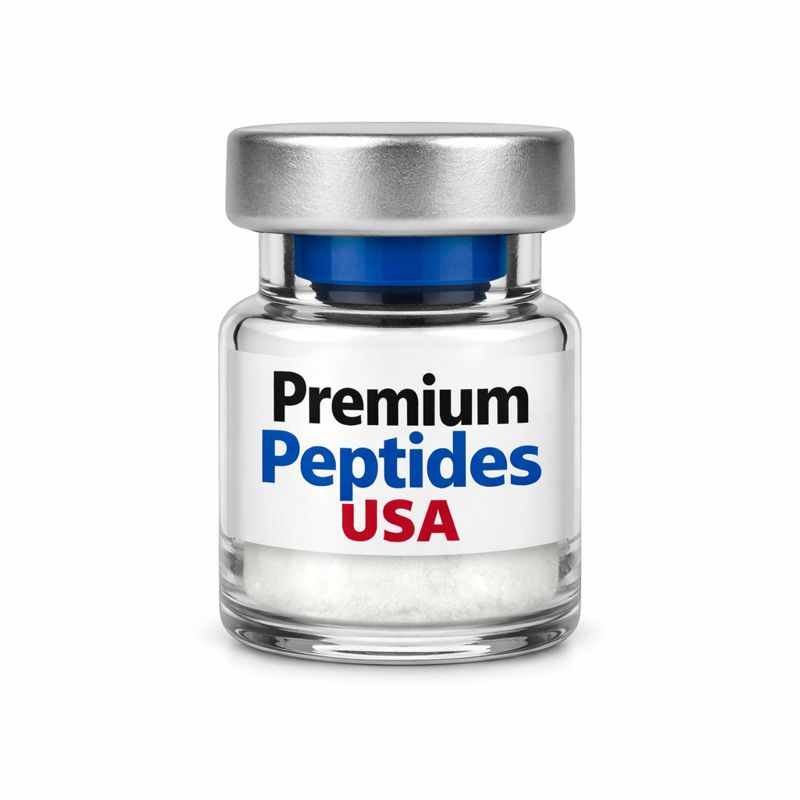
MOTS-C 10mg

Original price was: $89.00.$55.99Current price is: $55.99.
MOTS-C 10mg is a mitochondrial-derived peptide (MDP) studied for its role in metabolic regulation, particularly through pathways involving AMPK activation and cellular energy balance.
Research frequently explores its potential in insulin sensitivity, fat oxidation, and exercise-associated adaptations, as well as its relevance in models of aging, stress response, and mitochondrial function.
This compound is provided as a lyophilized powder.
MOTS-C 10 mg — Overview & Key Information
MOTS-C (“Mitochondrial Open Reading Frame of the 12S rRNA Type-C”) is a mitochondrial-derived peptide (16 amino acids) studied for its effects on cellular metabolism, energy regulation, and metabolic health. It is not an FDA-approved medication and is classified mainly as a research peptide.
🧬 What MOTS-C Is
- Peptide Type: Mitochondrial-derived peptide (16 amino acids).
- Mechanism: Activates AMPK (a key energy-sensing pathway), enhances glucose uptake, influences fatty acid oxidation, and supports mitochondrial function.
- Effects in Research:
• Improved insulin sensitivity and glucose metabolism in preclinical models.
• Enhanced endurance and exercise performance in animal studies.
• May influence weight management and metabolic resilience.
Important: There are no well-validated human clinical trials confirming safety, effectiveness, or approved therapeutic uses in people.
💉 Typical Usage in Experimental / Research Contexts
Because MOTS-C isn’t approved for medical use, most dosing comes from preclinical studies or anecdotal/skewed sources — not clinical guidelines.
Common experimental patterns include:
- Subcutaneous injections (under the skin) using insulin syringes.
- Doses used in research contexts:
• ~5–10 mg per week (e.g., 5 mg every few days or up to 10 mg weekly).
• Some protocols suggest 2–3 injections weekly. - Cycle Duration: Protocols vary — examples include 4–6 week cycles with breaks in between.
Note: These are experimental dosing schemes found in research or peptide supplier guides — they are not medical recommendations. Always consult a qualified healthcare professional.
⚠️ Safety & Regulatory Status
🚫 Not Medical-Grade: MOTS-C is not approved by major health authorities (like the FDA) for human treatment.
🔬 Research Use Only: Many sources clearly state MOTS-C is intended for laboratory research and not for human or animal therapy outside controlled studies.
Prohibited in Sport:
- Listed by the World Anti-Doping Agency (WADA) as a metabolic modulator. Athletes are not permitted to use it in competition.
⚡ Possible Effects Reported
⚖️ Intended/Studied Effects
- May enhance glucose metabolism and insulin sensitivity.
- May support metabolic flexibility (fat and glucose use).
- Suggested benefits for endurance and exercise capacity in animal studies.
❗ Reported or Anecdotal Side Effects
Because human data are limited, most information on side effects comes from user reports and workshop sources:
- Injection site reactions (redness, itching, irritation).
- Mild systemic effects: headaches, nausea, fatigue, dizziness.
- Some users in informal forums report palpitations, insomnia, or localized skin reactions — these are anecdotaland not from controlled studies.
Long-term safety is unknown — there’s no robust evidence establishing chronic effects.
MOTS-C (“Mitochondrial Open Reading Frame of the 12S rRNA Type-C”) is a mitochondrial-derived peptide (16 amino acids) studied for its effects on cellular metabolism, energy regulation, and metabolic health. It is not an FDA-approved medication and is classified mainly as a research peptide.
🧬 What MOTS-C Is
- Peptide Type: Mitochondrial-derived peptide (16 amino acids).
- Mechanism: Activates AMPK (a key energy-sensing pathway), enhances glucose uptake, influences fatty acid oxidation, and supports mitochondrial function.
- Effects in Research:
• Improved insulin sensitivity and glucose metabolism in preclinical models.
• Enhanced endurance and exercise performance in animal studies.
• May influence weight management and metabolic resilience.
Important: There are no well-validated human clinical trials confirming safety, effectiveness, or approved therapeutic uses in people.
💉 Typical Usage in Experimental / Research Contexts
Because MOTS-C isn’t approved for medical use, most dosing comes from preclinical studies or anecdotal/skewed sources — not clinical guidelines.
Common experimental patterns include:
- Subcutaneous injections (under the skin) using insulin syringes.
- Doses used in research contexts:
• ~5–10 mg per week (e.g., 5 mg every few days or up to 10 mg weekly).
• Some protocols suggest 2–3 injections weekly. - Cycle Duration: Protocols vary — examples include 4–6 week cycles with breaks in between.
Note: These are experimental dosing schemes found in research or peptide supplier guides — they are not medical recommendations. Always consult a qualified healthcare professional.
⚠️ Safety & Regulatory Status
🚫 Not Medical-Grade: MOTS-C is not approved by major health authorities (like the FDA) for human treatment.
🔬 Research Use Only: Many sources clearly state MOTS-C is intended for laboratory research and not for human or animal therapy outside controlled studies.
Prohibited in Sport:
- Listed by the World Anti-Doping Agency (WADA) as a metabolic modulator. Athletes are not permitted to use it in competition.
⚡ Possible Effects Reported
⚖️ Intended/Studied Effects
- May enhance glucose metabolism and insulin sensitivity.
- May support metabolic flexibility (fat and glucose use).
- Suggested benefits for endurance and exercise capacity in animal studies.
❗ Reported or Anecdotal Side Effects
Because human data are limited, most information on side effects comes from user reports and workshop sources:
- Injection site reactions (redness, itching, irritation).
- Mild systemic effects: headaches, nausea, fatigue, dizziness.
- Some users in informal forums report palpitations, insomnia, or localized skin reactions — these are anecdotaland not from controlled studies.
Long-term safety is unknown — there’s no robust evidence establishing chronic effects.
Be the first to review “MOTS-C 10mg”
Related products
New Arrivals Peptides!
New Arrivals Peptides!
New Arrivals Peptides!
New Arrivals Peptides!
New Arrivals Peptides!
New Arrivals Peptides!
New Arrivals Peptides!
New Arrivals Peptides!
Reviews
There are no reviews yet.